Designed and developed in Pakistan
Indigenous R&D for import substitution
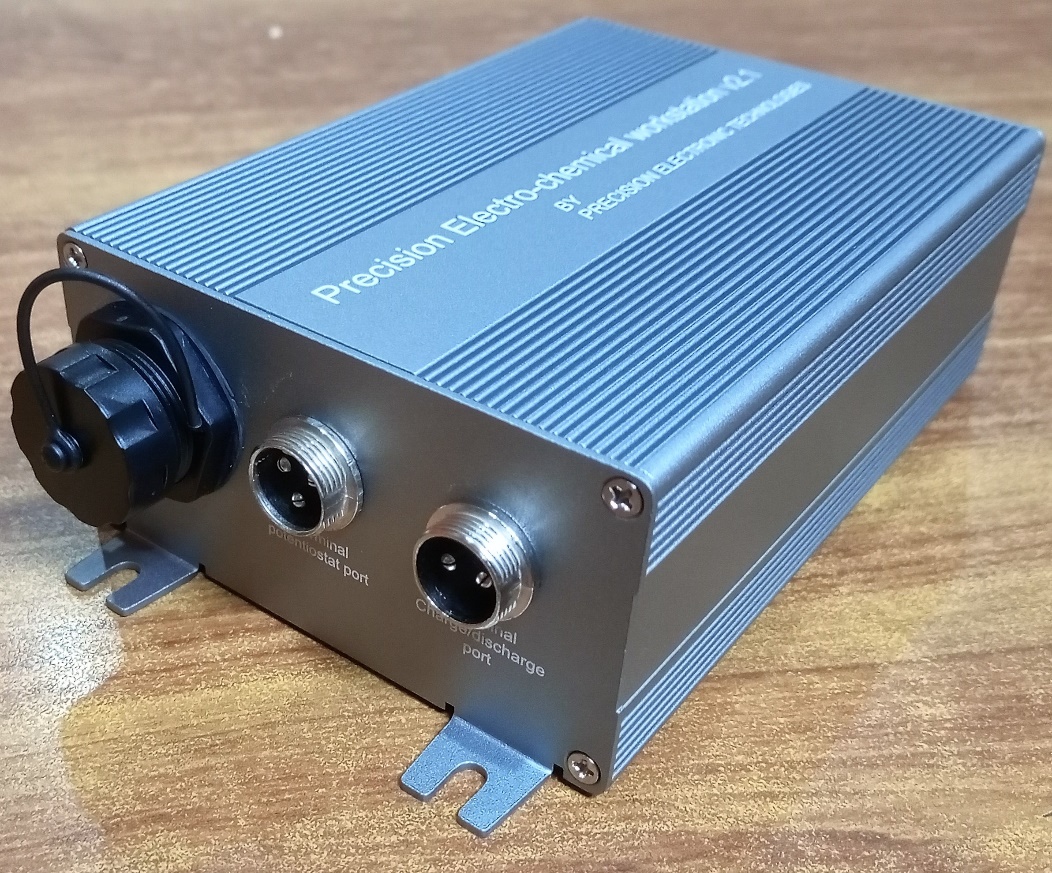
PET develops electrochemical instrumentation to offer Pakistani laboratories a locally engineered alternative to imported systems. Our priority is to build domestic design capability, make research equipment more accessible, and provide direct access to the team responsible for its development.
Local engineering across the instrument
The ICPEM 2025 presentation documents work on electronics, embedded control, Windows software, enclosure integration and electrode accessories. This integrated development approach gives PET a basis for adapting instruments to laboratory requirements and supporting them locally.
Import substitution here means developing and supporting the instrument in Pakistan. It does not imply that every electronic component is manufactured locally. Component sourcing and model-specific capabilities should be confirmed with PET.
Why import substitution matters
Imported research instruments can place substantial demands on laboratory budgets and create dependence on external suppliers for servicing and modifications. PET aims to address these barriers through local product development, application-led customization and technical support in Pakistan. Quoted costs and delivery schedules remain specific to each order.
No universal percentage cost saving or like-for-like performance equivalence is claimed. Procurement decisions should compare the specified measurement requirements, verification evidence, accessories, support and total cost for the particular application.
A documented development process
- Application requirements inform hardware and software development.
- Electrical verification examines the instrument response before electrochemical application tests.
- Experimental feedback supports further refinement and repeatable testing.
- Model-specific specifications and support arrangements guide supply.
Verification and preliminary application studies
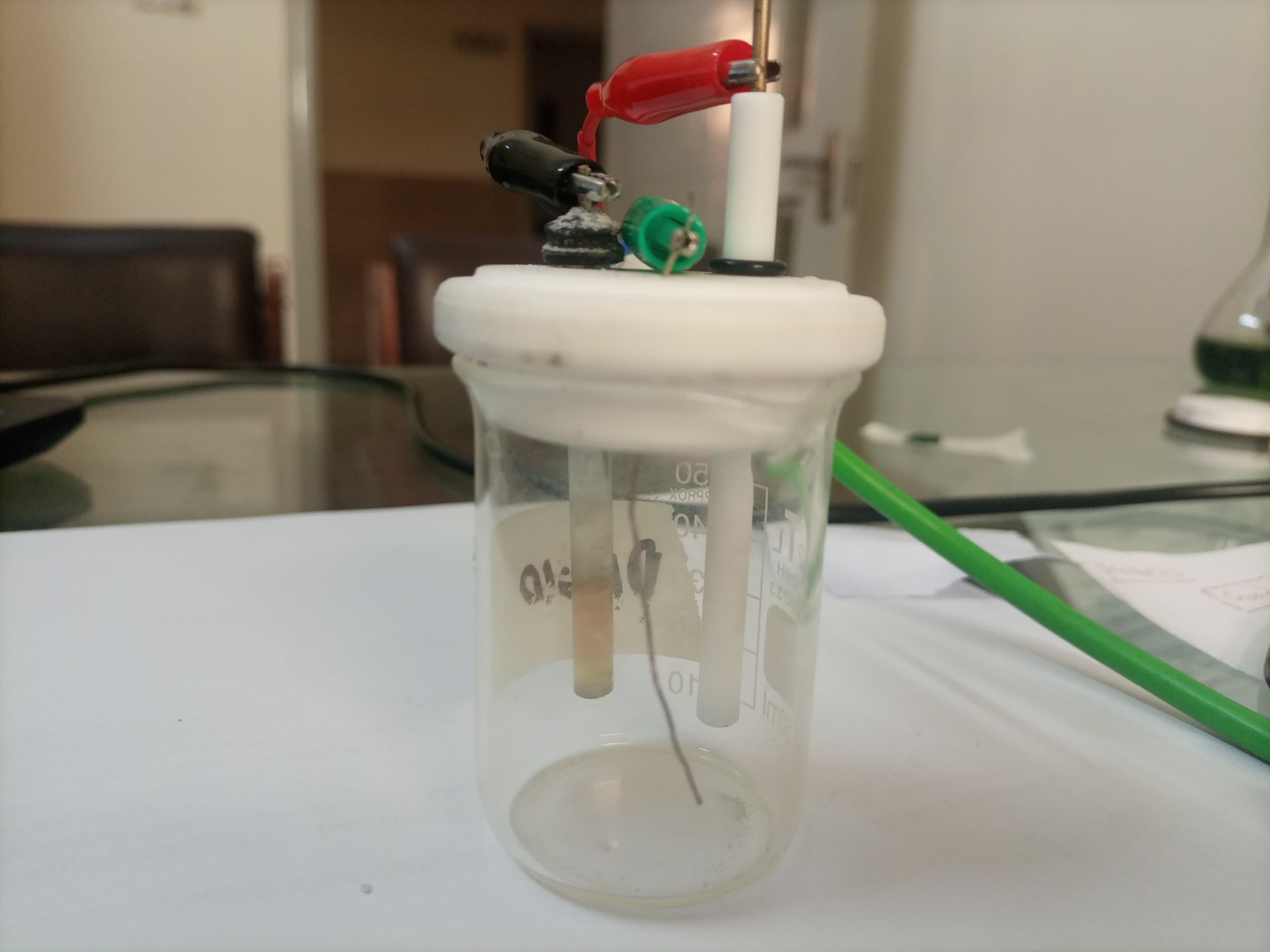
The presentation reports electrical verification and preliminary cyclic voltammetry (CV) and galvanostatic charge-discharge (GCD) studies. The comparative experiments used different electrode positioning and non-matched setups. They demonstrate development progress and do not establish full equivalence to a commercial reference instrument.
Further validation under matched experimental conditions remains necessary. Measurement resolution should also be distinguished from accuracy, uncertainty and the performance of a complete experimental setup.
Engineering with university research partners
The project connects PET and the Department of Electrical Engineering & Technology with chemistry and biochemistry research at GCUF. The presentation identifies Dr. Arslan Dawood Butt, Dr. Saima Rehman and Dr. Shagufta Kamal, alongside undergraduate FYP students, alumni and postgraduate researchers. Their contributions link instrument development to electrochemical research needs.
Extending indigenous instrumentation
The roadmap includes impedance spectroscopy, portable instruments using paper electrodes, and possible IoT-enabled functions. These are development directions, with scope and readiness assessed individually.